Seven NSQF-accredited vocational programmes from IFEM Nagpur, the new vocational-degree college backed by IFE, the only fire safety institute India trusted to lead fire operations at the Formula 1 Indian Grand Prix. Pan-India. Bilingual. Admissions open for 2026-27.
Seven accredited programmes, from one-year Vocational Diplomas to two-year Masters. Bilingual delivery, pan-India reach. RPL admission available for working professionals.
For senior EHS leadership. HAZOP, risk modelling, ISO 45001 strategy.
See the programme →Three years that take you from Class 12 to a licensable profession.
See the programme →One year. The fast track into the safety officer role every factory legally needs.
See the programme →HIRA, HAZOP, PHA. Not just fire safety. Structured hazard analysis.
See the programme →Audit authority. Sign the NOC. Build an independent practice.
See the programme →The upgrade for safety supervisors who want safety officer authority.
See the programme →Where a fire service career begins. State fire services recruit from here.
See the programme →The Institute of Fire Engineering, IFE, was formally registered in Nagpur in 2001. Over two decades, it built the fire safety education and consultancy track record that Formula 1 trusted, state governments recognised, and thousands of safety professionals now carry on their CVs.
IFEM is IFE's new vocational-degree college. Same founders. Same faculty. Same institutional backbone. Operating as Industrial Academic Training Partners (IATP) with IUN (International University Nagaland), IFEM carries IFE's two-decade legacy into a new generation of NSQF-accredited vocational programmes.
You study at IFEM. You inherit IFE.
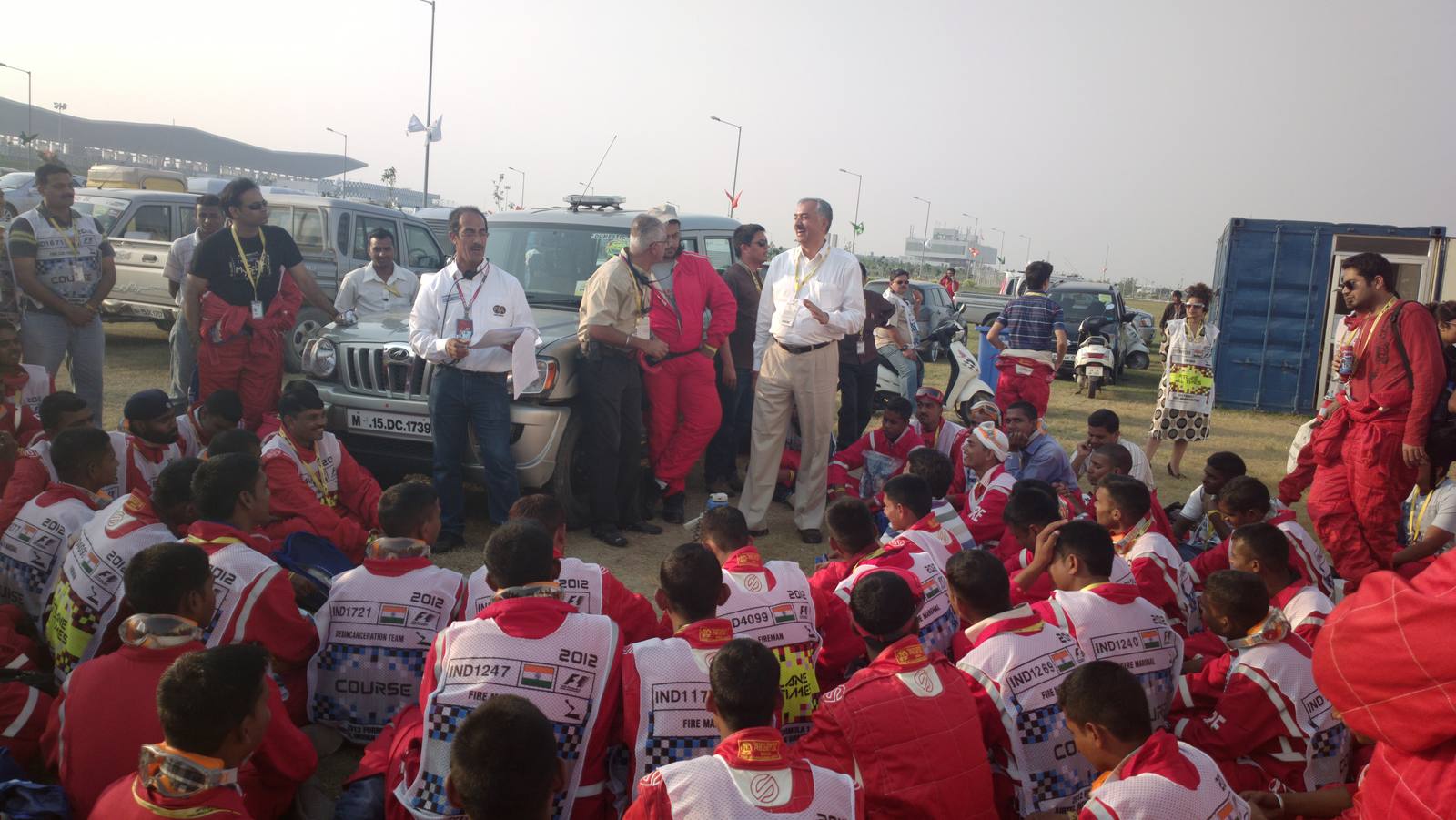
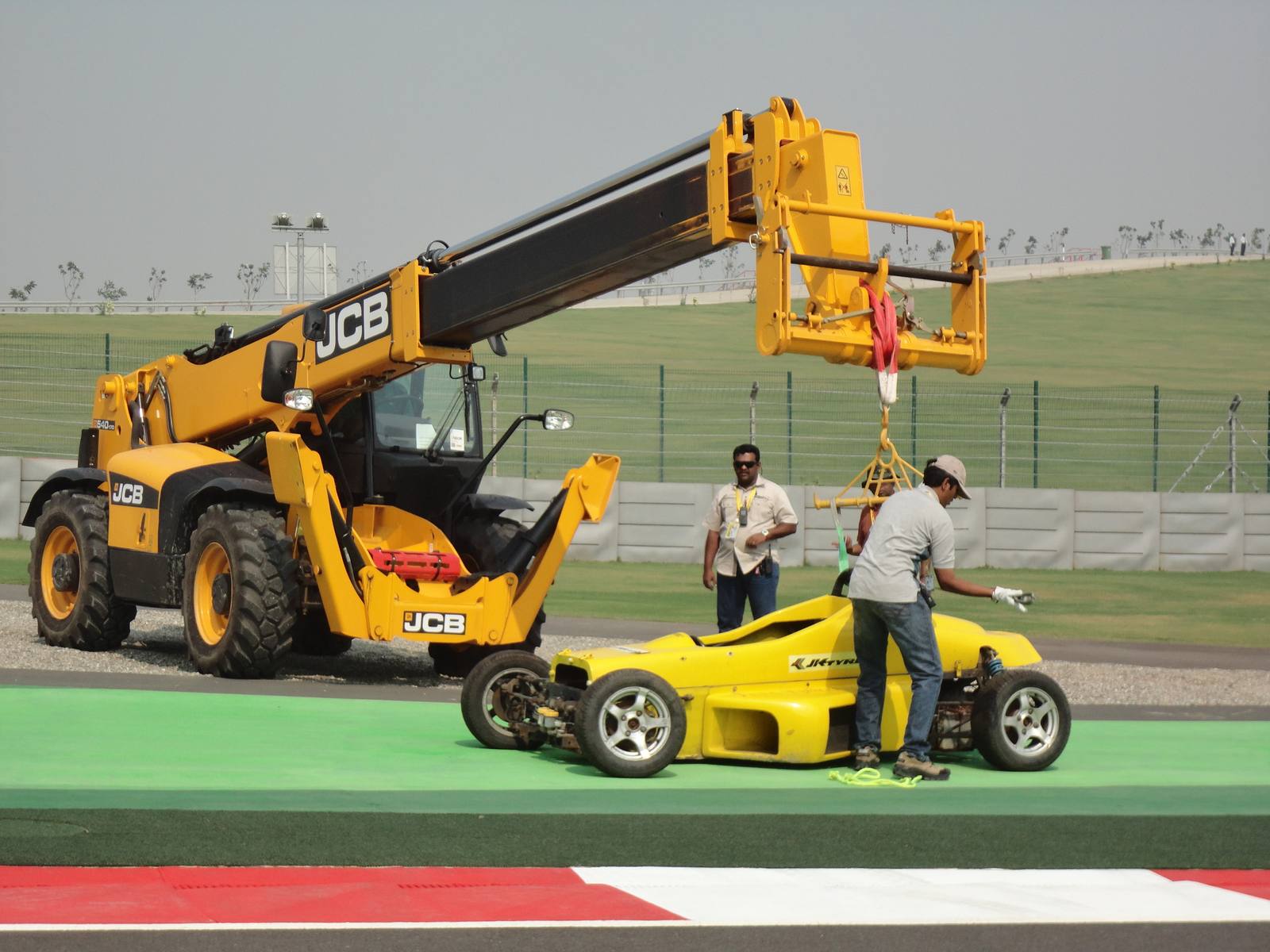
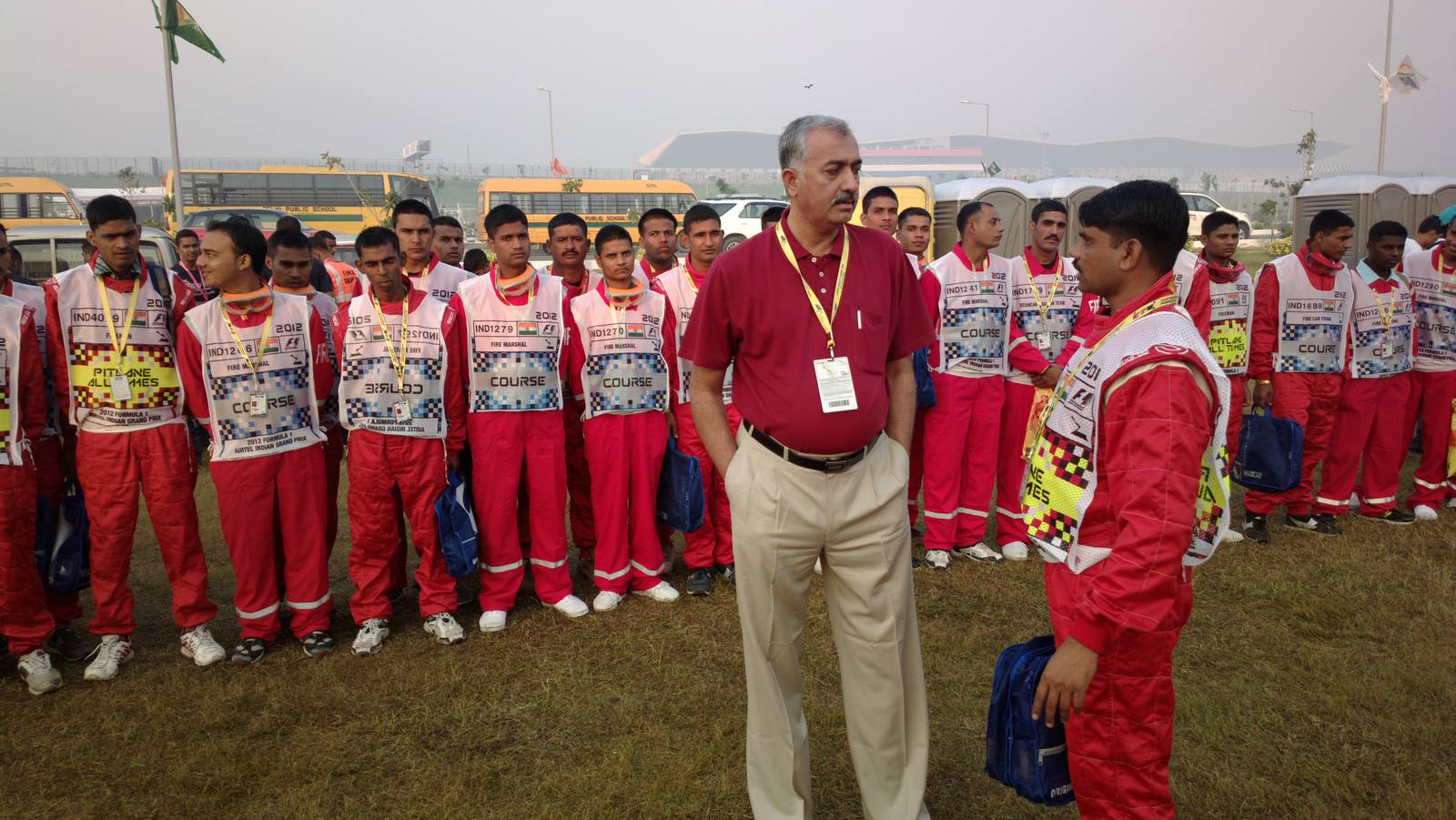
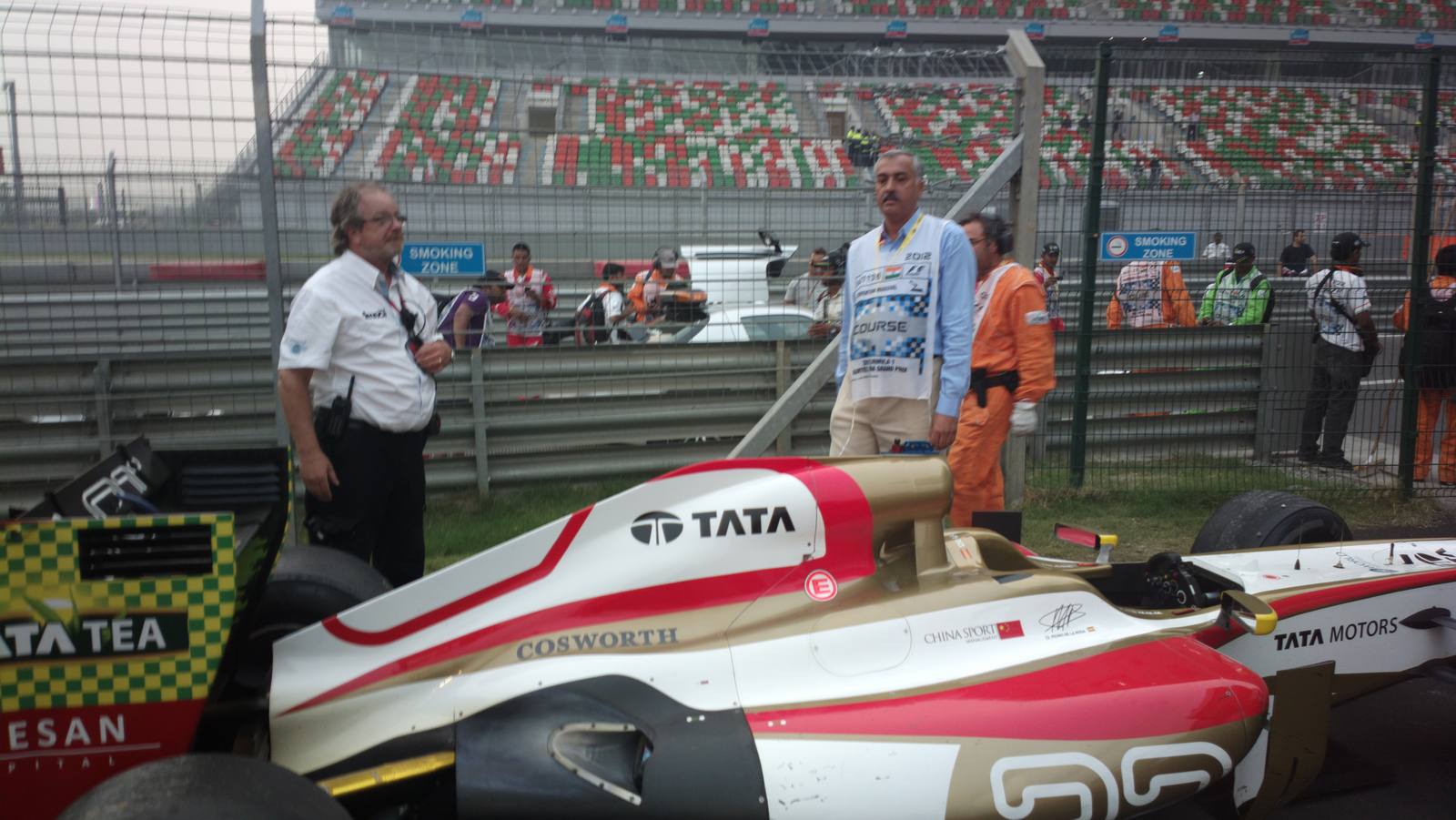
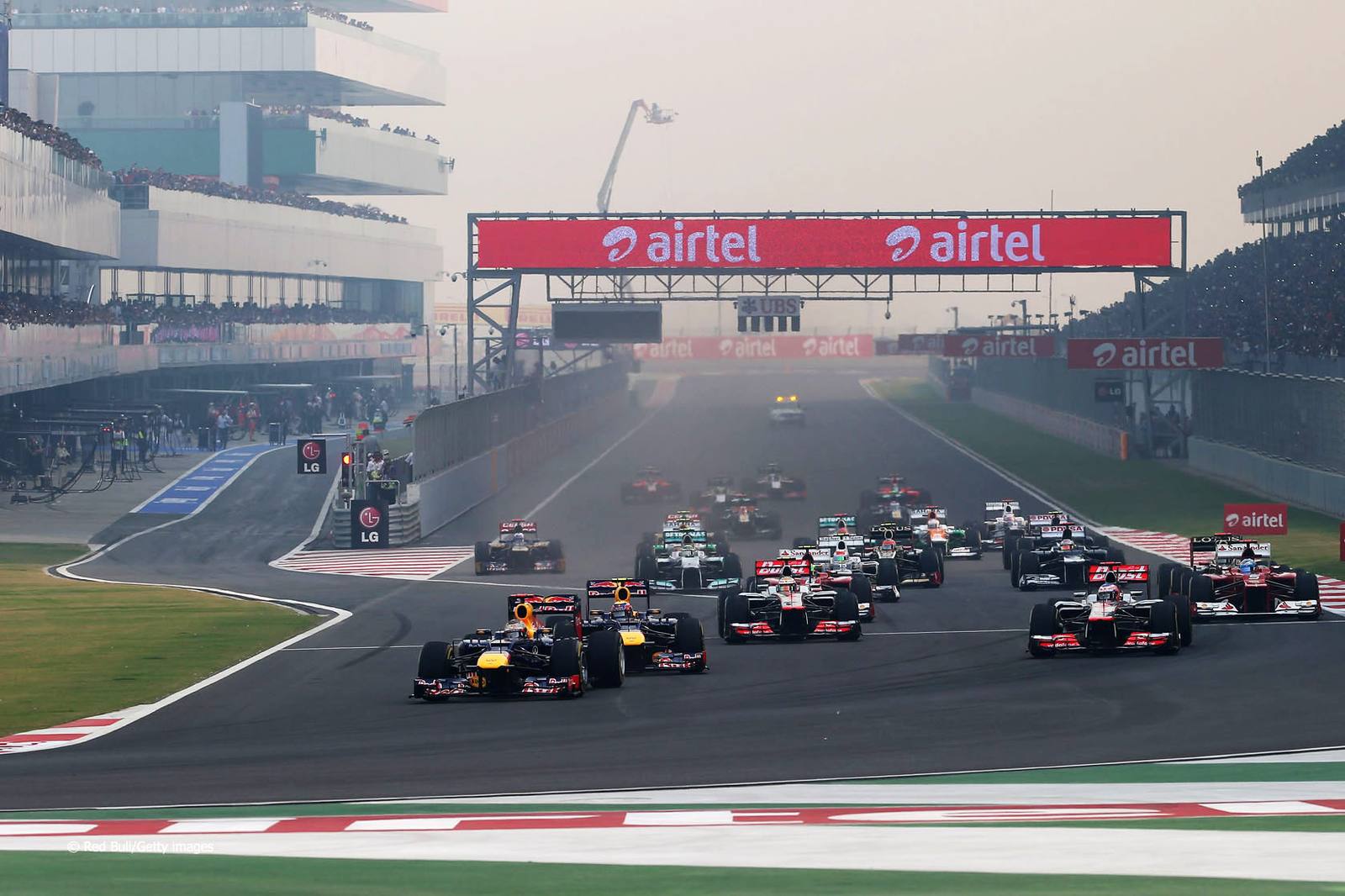
The Formula 1 Indian Grand Prix ran at Buddh International Circuit from 2012 to 2014. By FIA standards, it is one of the most safety-critical events on the planet. The margin for error is zero.
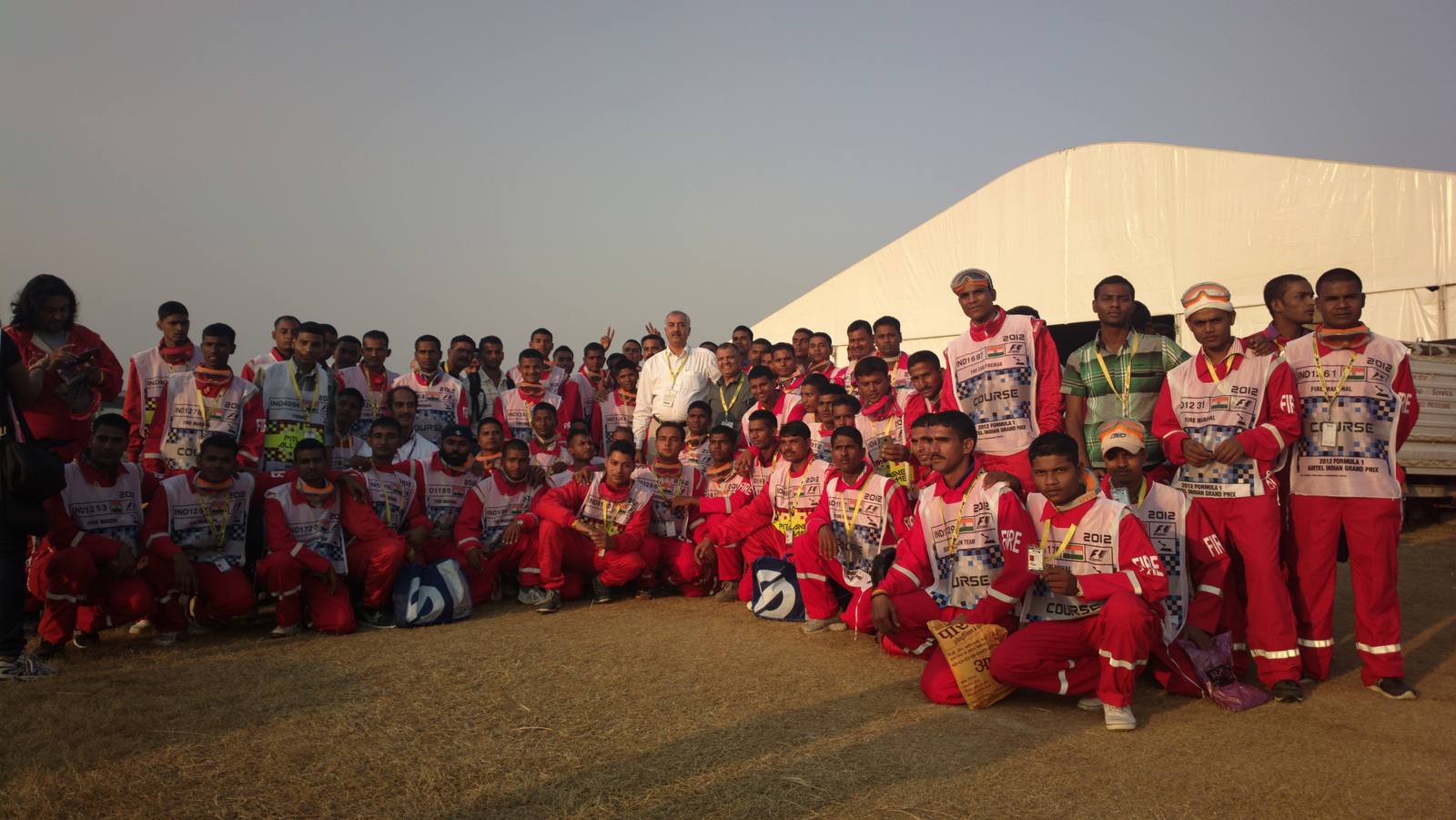
For all three editions, IFE led the fire safety operations.
A.K. Pravin Singh, founder of IFE and now also leading IFEM, served as Head Fire Marshal. He coordinated 250 IFE-trained fire marshals deployed across the circuit at FIA international standards, the highest standard for motorsport fire safety anywhere in the world.
Formula 1 does not trust fire safety to institutes that sell paper. Neither should you.
Today, the same institution backs IFEM. The same leadership teaches you.


India is full of colleges that hand out certificates no plant will accept. Safety officer vacancies sit open because graduates cannot pass a real audit. Fire safety courses are taught by people who have read about fire safety.
IFEM does it differently.
Your curriculum is aligned to NBC 2016 Part 4, the Factories Act, and ISO 45001. Your faculty have issued No Objection Certificates for state government buildings, conducted audits for Nagpur and Bhopal Municipal Corporations through IFE's two-decade consultancy practice, and led fire operations at Formula 1.
When you finish, you hold a qualification that counts at a real plant audit, at a real hospital sign-off, at a real government recruitment board.
That is the difference between a degree and a licence to work.
70% of your programme is hands-on. You run fire risk assessments. You drill through NBC 2016 compliance. You walk live audit case studies. You graduate ready to do the job, not ready to learn it.
NBC 2016 Part 4. Factories Act Section 40B. BOCW Act. ISO 45001. OSH Code. Every IFEM curriculum is written around the laws you will sign under as a safety officer. Indian legislation first, foreign certifications second.
Your faculty consult for Nagpur Municipal Corporation, Bhopal Municipal Corporation, HSIIDC Panchkula, PWD Chhattisgarh, Colliers, ACC, and Murli Cement. The work they do in industry becomes your case studies in class.
Seven NSQF-accredited programmes. Vocational degrees as Industrial Academic Training Partners (IATP) with IUN (International University Nagaland). Backed by IFE, recognised by the Directorate of Technical Education, Government of Maharashtra.
RPL is Recognition of Prior Learning, a government-backed admission pathway under PMKVY. It lets working professionals enter advanced programmes using field experience in place of a formal degree.
If you are 18 to 45, and you have real experience in fire safety, industrial safety, or EHS, you may qualify for admission to programmes that would otherwise require a graduate degree.
Over 47 lakh professionals across India have been RPL-certified. You could be next.


A partial list from the institutional placement record across IFE's two decades. Evidence of where IFE-trained professionals have built careers, not a placement guarantee.
Seven accredited programmes. Bilingual delivery pan-India. RPL admission for working professionals. EMI options available.
Application takes under 15 minutes. A counsellor calls you back within a few hours, Monday to Saturday, to walk you through eligibility, fees, and the programme that fits you best.